Learning
-
Dymphna Snijders Blok, Minna Kaihovirta
Episode 4: Promoting participation and co-creation
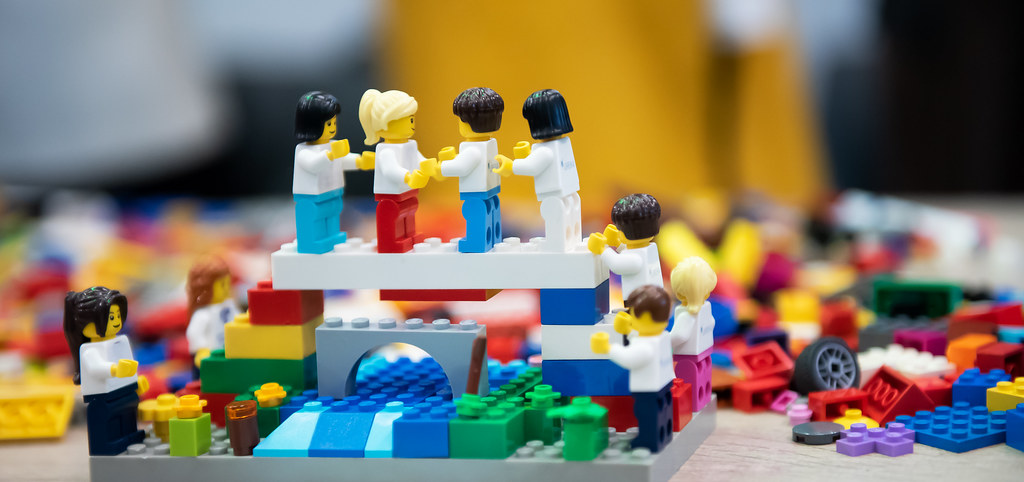
It is easy to co-create with small or medium size organizations. But when the total student body is approximately 123,000 students and a combined number of staff is about 11,000 employees the challenge of co-creating rises to the next level. These numbers are huge - and still there is drive to co-create. How can it be done with success? Why is it important to put effort into it? And what do Legos have to do with it all? In this European connection podcast Minna Kaihovirta discusses with Dymphna Snijders Blok.
-
Ana Raposo, Minna Kaihovirta
Episode 3: Communicating across Europe
In this European connections podcast Minna Kaihovirta and Ana Raposo delve into the topic of communication. All European Universities aim to communicate as effectively as possible and spread the word about what they are doing. The goal is to activate students to make the most out of offered opportunities and at the same time inform a broader audience on how they can participate. As usual there is some struggle in finding the right channels and to reach the right audiences.
-
Katja Ihamäki, Liisa Nuutinen
How schools can become safe places for learning and growth
This article introduces theoretical perspectives and practical approaches to enhancing interaction in schools, with the aim of supporting meaningful learning and growth. How can we build safe and inclusive learning environments?
-
José Camposano, Minna Kaihovirta
Episode 2: Creating joint courses
European Universities offer study opportunities for both young students and lifelong learners throughout Europe. How are the courses offered created? What does it take to create a course together with a number of other European universities? Minna Kaihovirta and Jose Camposano dive into the topic in the European Connections podcast.
-
Saija Heinonen
From classroom to game studio – The role of badges in game industry competence mapping
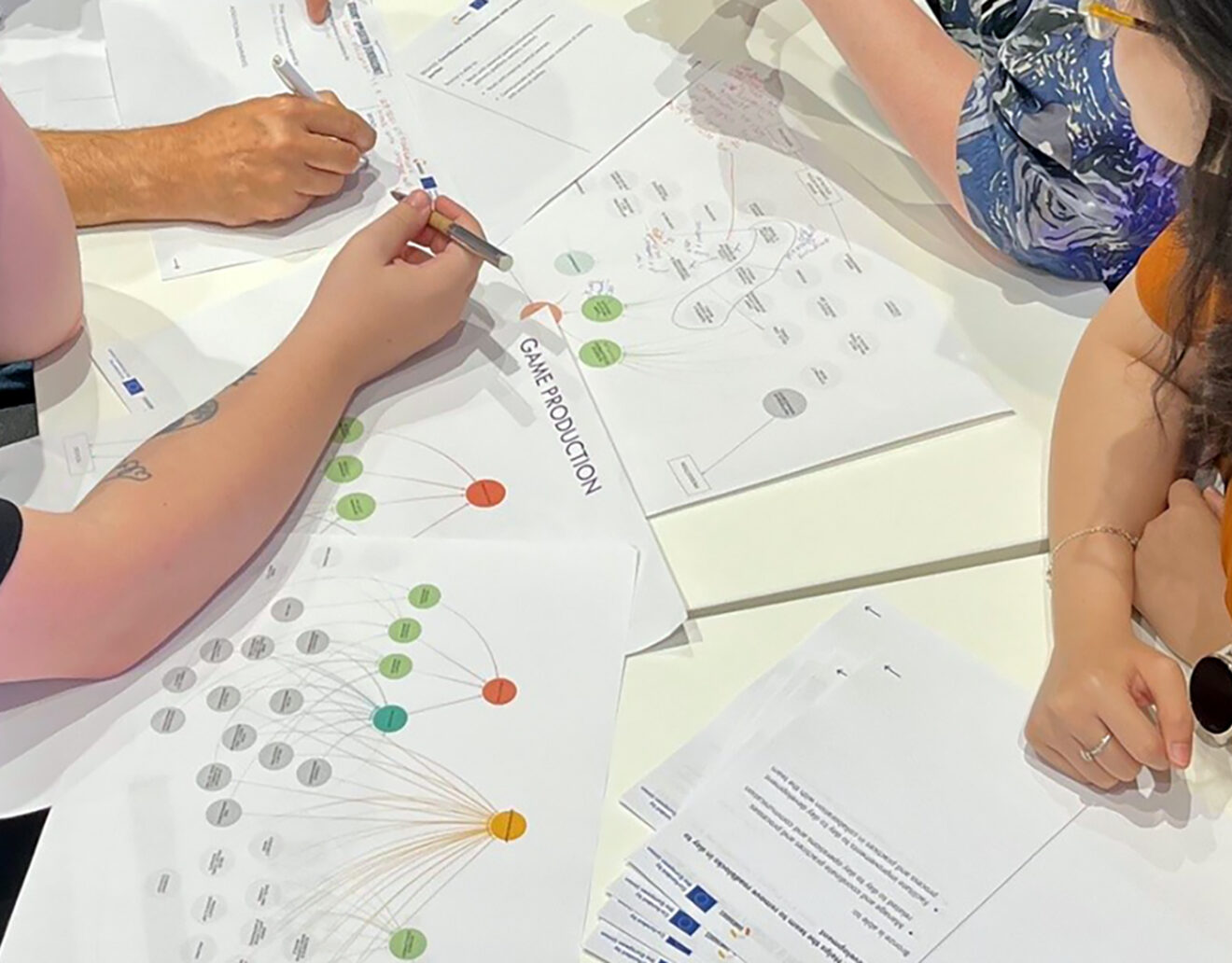
As the game industry evolves, the ability to demonstrate concrete competences is becoming more important than traditional qualifications alone. The Gamebadges project introduces a competence-based open badge ecosystem that helps connect education and game industry by recognising skills in a structured, transparent, and flexible way.
-
Koen Van Damme, Minna Kaihovirta
Episode 1: Promoting European values
Values guide our everyday work and interaction. How can we create shared values, when the community consists of several universities throughout Europe? And is it possible to include students and staff in the process of defining values? The European Commission wants all European University Alliances to promote European values. What are those values and how are they reflected in education? In this European connections episode Minna Kaihovirta dives into this topic with Koen Van Damme.
-

Kati Marin, Virve Hopearuoho
Designing modular and learner-centered microcredentials for lifelong learning
Modular, learner-centered microcredentials are the key to build meaningful, stackable pathways for lifelong learning in a rapidly changing world.
-

Eija Raatikainen, Aija Ahokas, Kirsi Tanskanen, Lingga Dewi
Transversal skills – essential for the future working life
A workshop in Indonesia showcased the value of transversal skills, particularly in fostering collaboration within multidisciplinary teams in health care.
-
Pamela Spokes
What is U!REKA and why it matters to our universities and communities
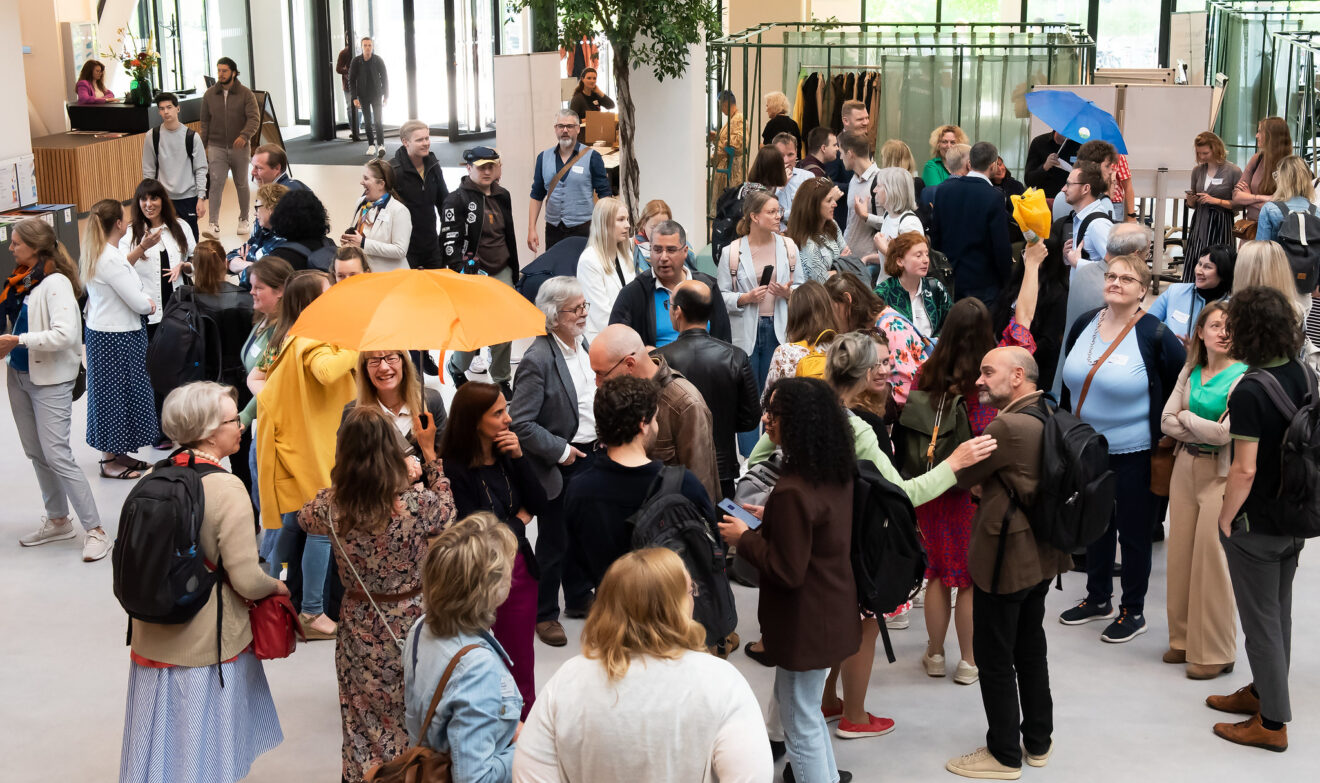
What happens when universities from around Europe decide to work together and not compete? They can create something greater than the sum of their parts.
-

Michael Keaney
Opening up the world, one thesis at a time
The graduation certificate is not unlike a license, certifying its owner’s professional competence and expertise. The process begins with the selection of a suitable topic, followed by analysis of relevant literature. This leads ultimately to the identification of a research question or issue that will form the basis of the thesis and its plan.