Society and working life
-
Pamela Spokes
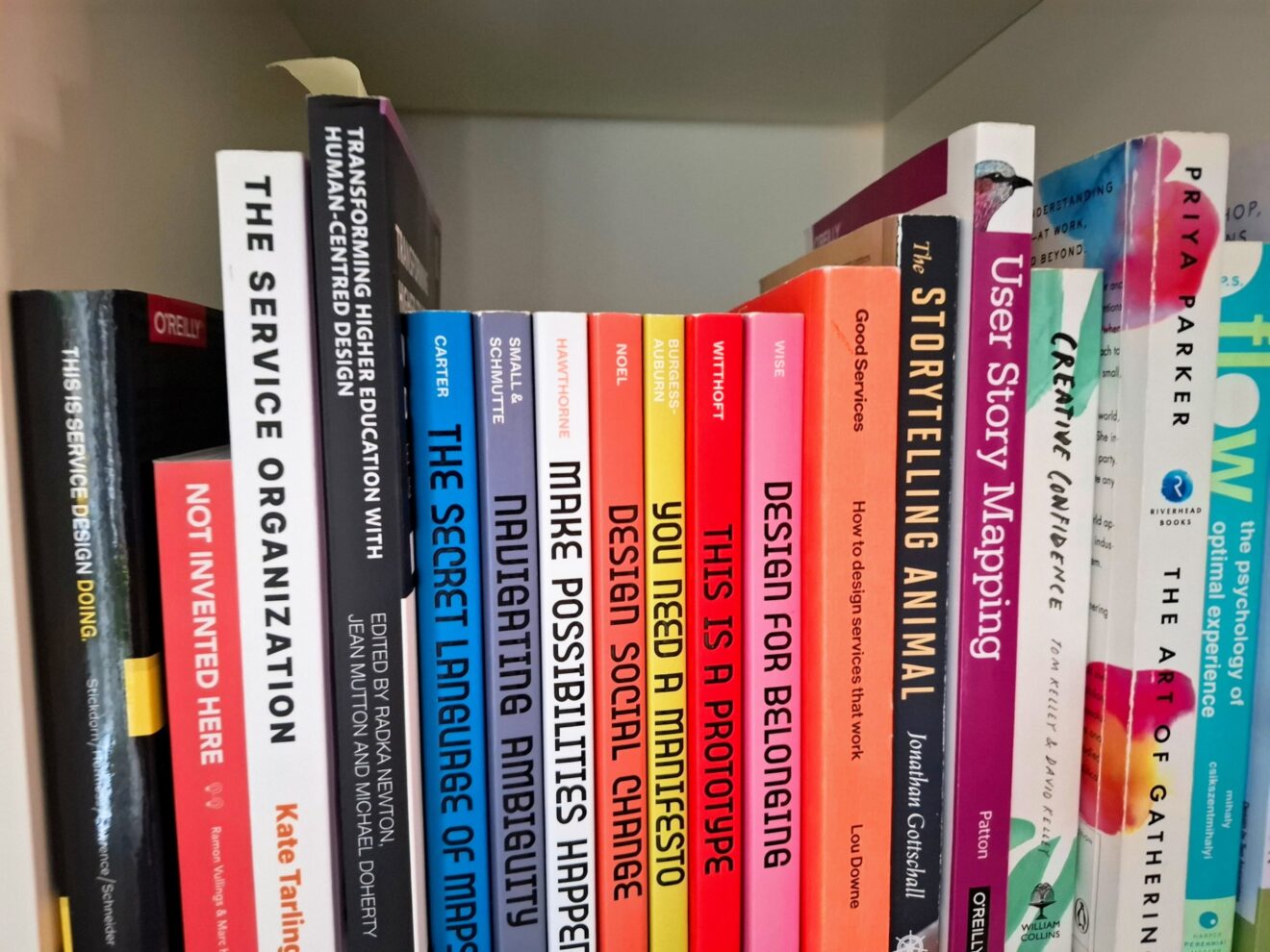
Broken in the same places: the hidden patterns in higher education’s biggest service design challenges
When over 100 university staff members from seven different countries were asked to name one problem in their institution that could be fixed with service design, nobody expected them to give the same answers. Higher education is full of people working hard to make things work, and full of students and staff who feel like things aren't quite right. This article is about what pattern reveals and what it suggests about how Higher Education can finally begin to fix it.
-

Eija Raatikainen
Strengthening organisational capacity through peer mentoring in the context of work-based learning in online environments
Mentoring in online-facilitated environments can strengthen organisational capacity by supporting informal learning in the context of everyday work. This article presents an example of peer mentoring in workplace learning, drawing on COMHOM project’s experiences from spring 2026.
-
Janset Shawash
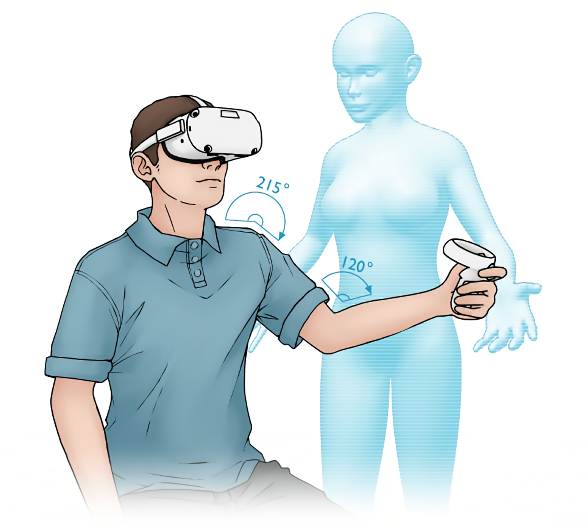
Immersive care: virtual reality technology supporting physical rehabilitation
Immersive technology, such as virtual and augmented reality applications, is moving from novelty to a practical tool in physical rehabilitation, promising more engaging therapy, greater choice for patients, and clearer progress tracking for clinicians. Drawing on Finnish pilots and the GameRAT project at Helsinki XR Center, Metropolia UAS, this article asks what virtual reality can add to care, and what it takes to move from a promising demonstration to everyday practice.
-
Pamela Spokes
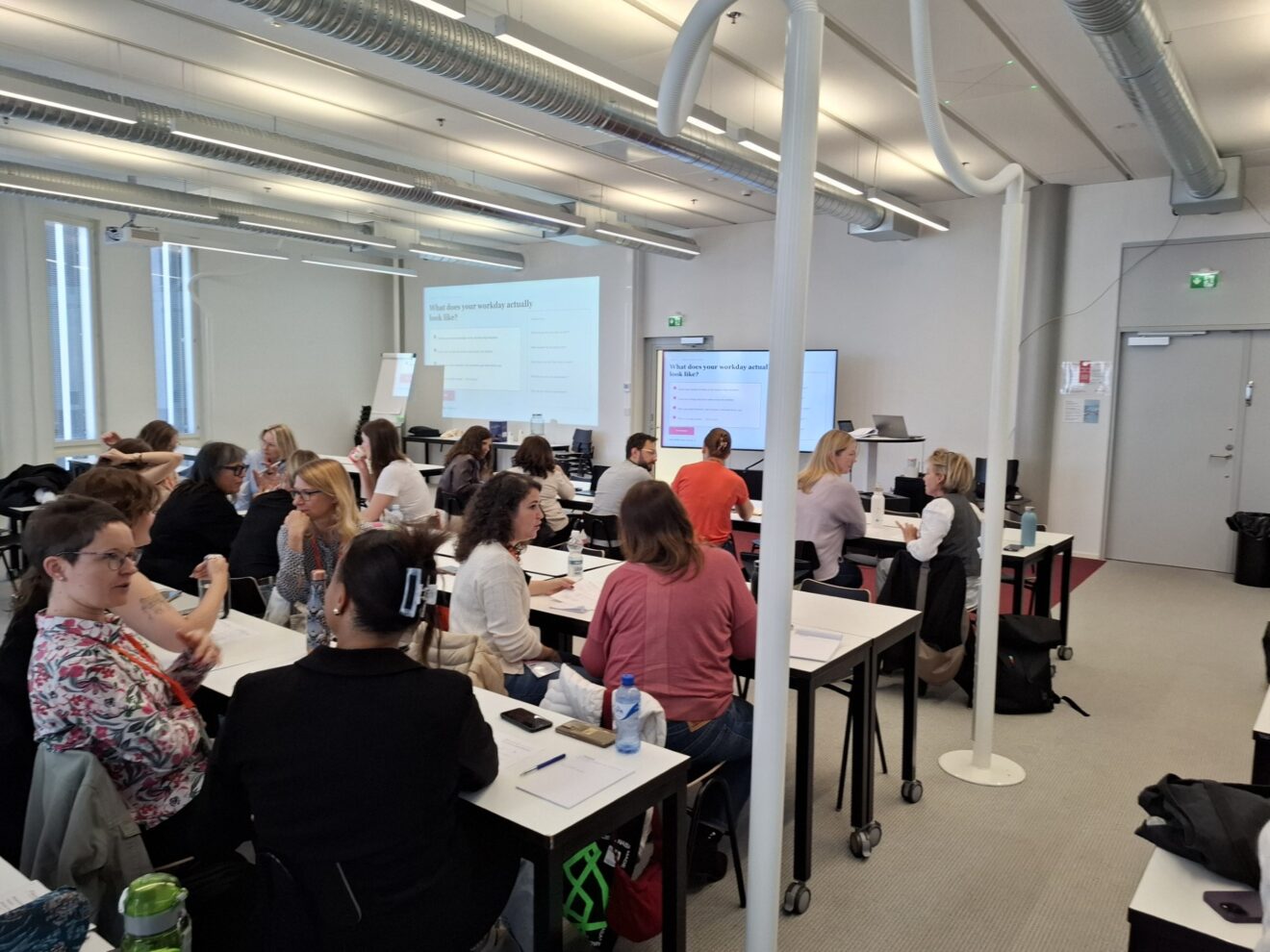
Designing better workdays
Workdays can easily be so busy that you end up eating lunch at your desk while still trying to type emails. All the while knowing you'll need to leave work exactly on time because your child has to get to football practice, and remembering you’ve already been late twice. The rising stress doesn’t just affect your workday – it spills over into how you sleep, how you interact with your family, and your overall health. That’s why designing better workdays in 2026 is just as important as making sure you’re getting enough protein.
-
Janset Shawash
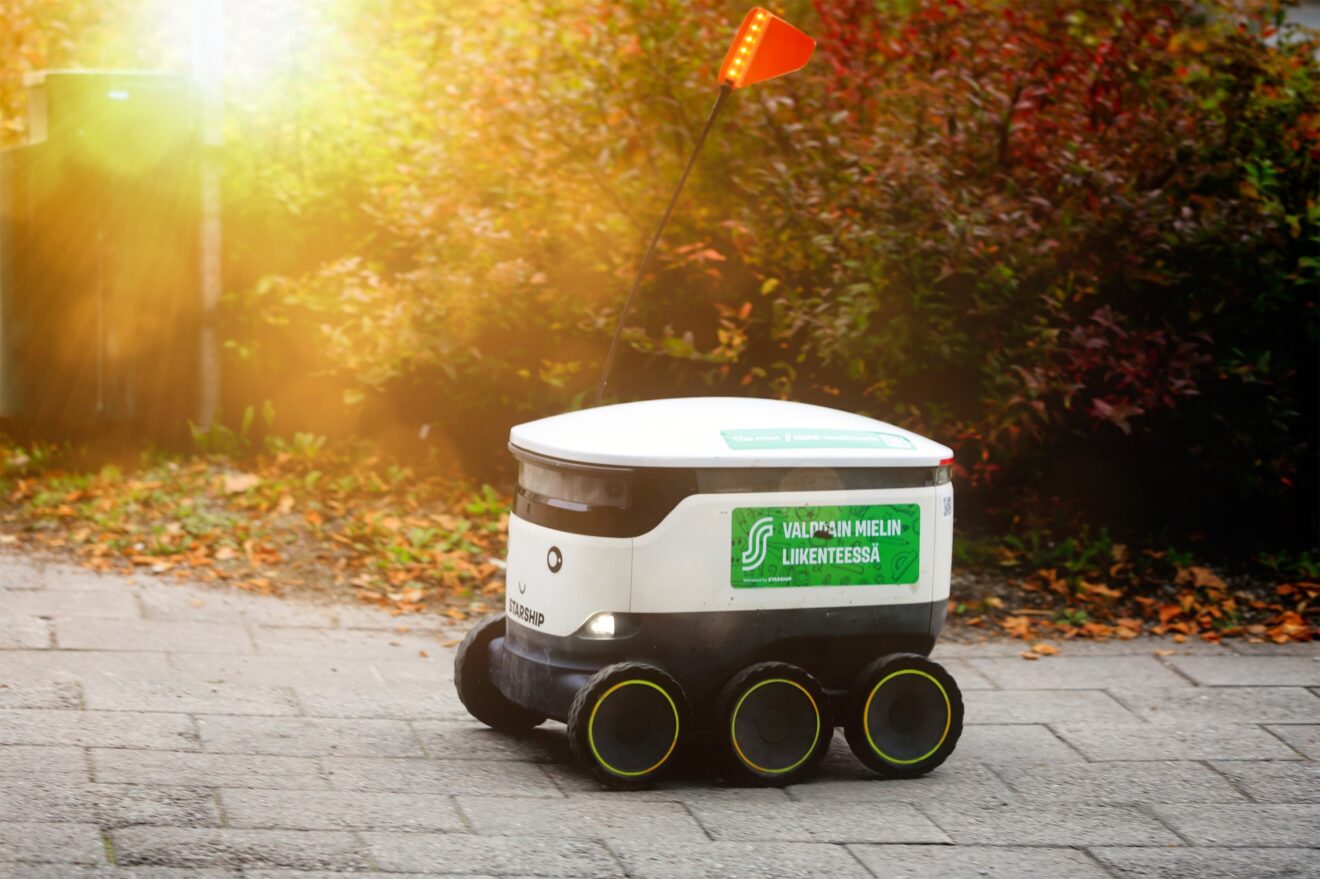
Autonomous mobility in transition: ecosystem, governance and public value
In many forms, autonomous vehicles are already here. The more important question is no longer whether they are coming, but whether they will arrive in a form that is safe, useful, trusted, affordable, and aligned with public value.
-

Ria Gynther
Responding to AI-driven industry change in game education
The pace of change in the game industry is placing increasing pressure on game education to keep up with professional practice. At the Game Educators’ Meeting 2026 in Helsinki, educators and industry representatives discussed how artificial intelligence is reshaping the industry’s production models and competence requirements. Focus was on validation, practical learning and new approaches to recognising skills.
-

Krista Lounamaa, Liisa Nuutinen, Heini Maisala-McDonnell
Sustainable nursing careers: Building an age-friendly working life in healthcare
Based on a recent master’s study, we discuss in this article key barriers to sustainable nursing careers and propose organisational age‑management practices that can enable older nurses to continue working until retirement in a sustainable way.
-
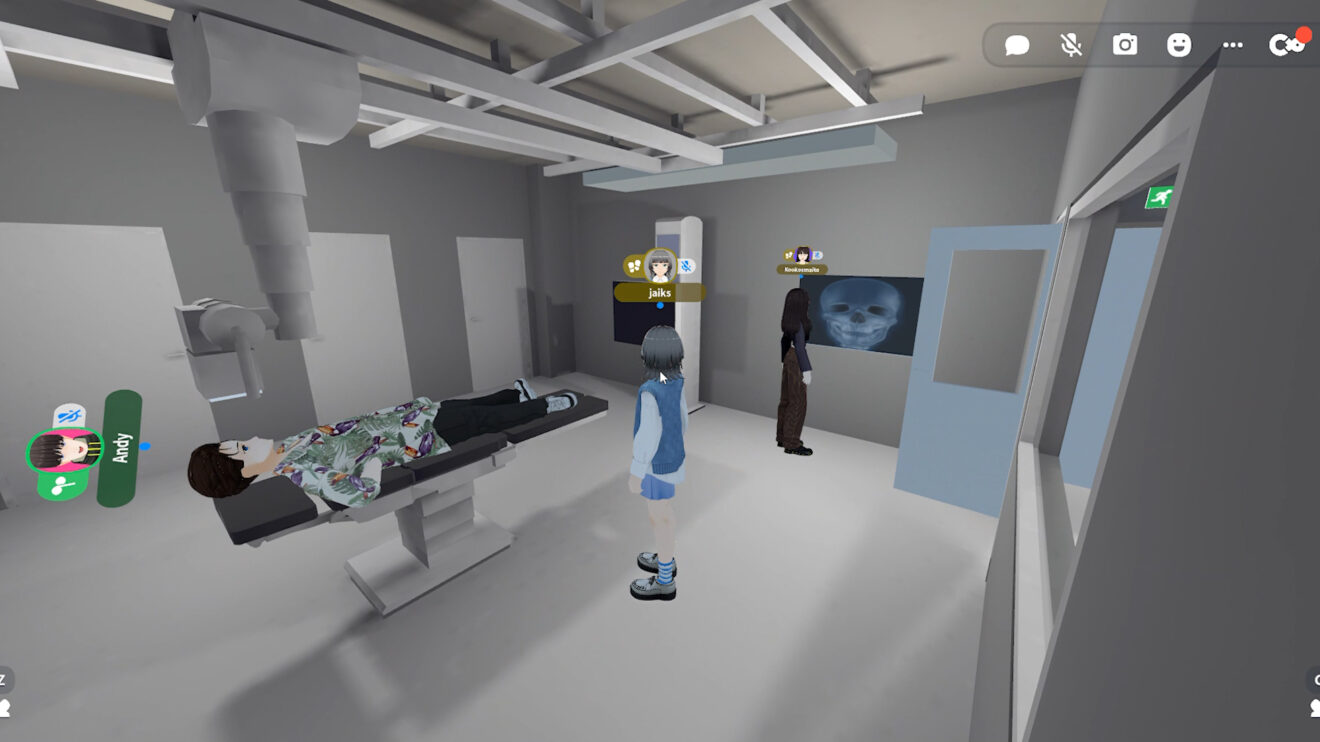
Janset Shawash, Leevi Rantala, Alicia Sudlerd
Walking Through the Future: Espoonlahti’s Health Centre in the Metaverse
Virtual worlds are not simply for play or a means of escapism. Increasingly this technology is becoming an instrument of real-world design, enabling greater democratic participation in the creation or modification of physical structures and environments. In this article, we trace the emergence of cityverse thinking from global experiments to Finnish initiatives and share our experience building a proof of concept.
-

Heikki Laaninen, Jussi Salonen
Making XR easier to approach
Extended reality holds significant potential for game developers and companies, but its technologies and ecosystems can be difficult to navigate. Through Interreg BSG-Go! project, Metropolia University of Applied Science's Helsinki XR Center developed practical tools and hands-on experiences built around one core idea: lowering the threshold for anyone ready to take XR seriously.
-

Pamela Spokes
Why things can feel harder than they should
Friction is invisible to those who create it. Most services are designed for the organisation that built them — shaped by internal politics, legacy systems, and the blind spots of experts who have long forgotten what it feels like not to know. They can leave you feeling confused, defeated, or exhausted but you are not the problem.