Research and development
-

Eunice Siame-Moono, Pamela Spokes, Juha Järvinen
Episode 5: Innovation in Care from the Frontlines – A Conversation with Eunice Siame-Moono
In this episode, we are talking to Eunice Siame-Moono about using innovation tools and methods in healthcare and how new students can look for ways to innovate in their own future careers. She is a student at Metropolia on the cusp of graduating from the Nursing programme with a degree in Engineering and an MBA with aspirations to continue working in healthcare technology of the future.
-

Lada Stukolkina, Laura Matikainen
Game and experience design at the heart of creating engaging events
How can experience design and gamification boost engagement during events? This article discusses a concrete case from Metropolia’s Smart and Creative City Innovation Hub, where game and experience design were used to connect students more closely with the Hub’s activities.
-

Pamela Spokes
Prototyping as a tool to move ideas forward
Ideas are easy. What’s hard is figuring out if they are what people want and will use. Prototyping lets us test, tweak, and transform concepts before we waste time perfecting the wrong thing. The prototype stage is not about being right, it’s about being willing to learn.
-

Fayez Bassalat
Connecting education and industry in robotics-advancing projects
Research and development projects with industry partners engage students as participants in real-world technological advancement.
-

Eija Raatikainen, Johanna Niemi
Trust and homelessness spoken by professionals
Homelessness is a dynamic phenomenon that is difficult to define, evaluate and monitor. For instance, individuals experience homelessness in different ways. Some go through brief episodes of homelessness or housing insecurity, while others stay longer time without housing (“chronic homelessness”; see OECD 2025, 8-9).
-

Pamela Spokes
Rethinking who innovates in your organisation
Innovation in organisations has a role to play for everyone. This article explains, how.
-
Pamela Spokes
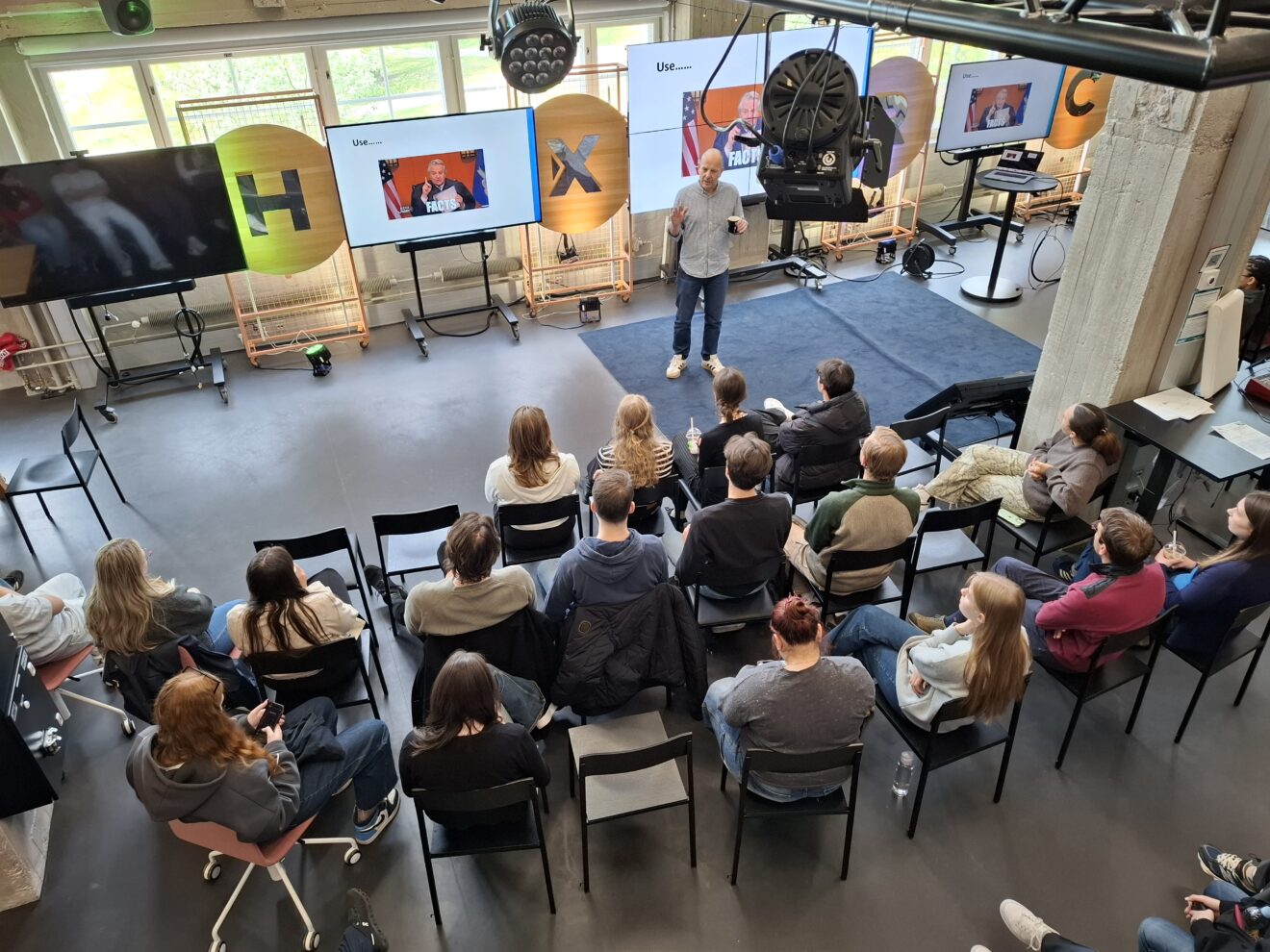
Students with a vision for climate-smart cities: Co-creating the future in U!REKA
In a world facing accelerating environmental change, empowering young adults to co-design smart and sustainable cities isn't just educational—it's essential.
-
Pamela Spokes
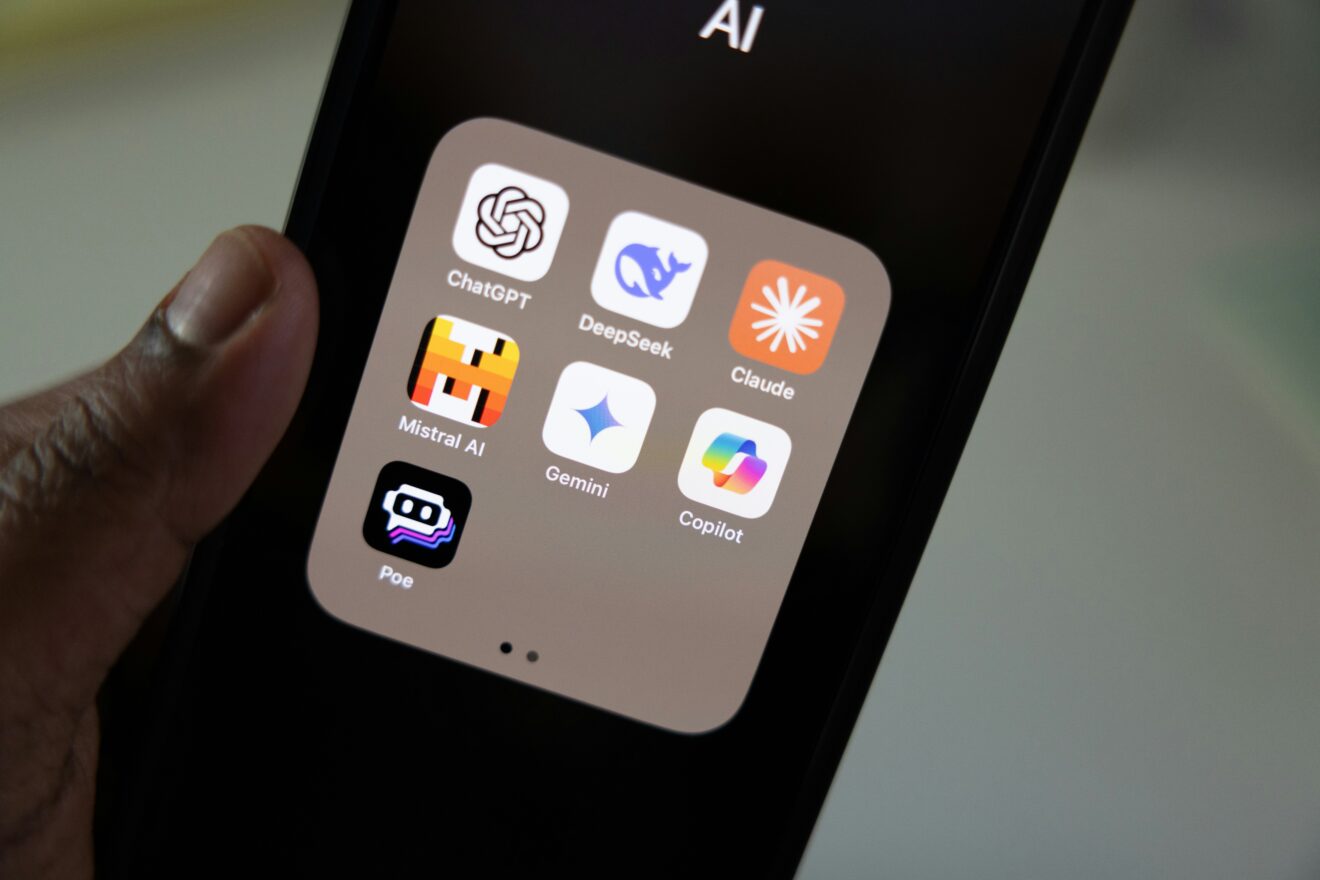
9 helpful ways generative AI can make life easier for anyone
Artificial intelligence is here, and perhaps its potential and limitations are easiest to identify by utilising AI for everyday tasks. How to start? Find encouraging ideas in this article!
-
Juha Järvinen, Pamela Spokes
Episode 4: From Research to Reality – Turning Academic Insights into Innovation
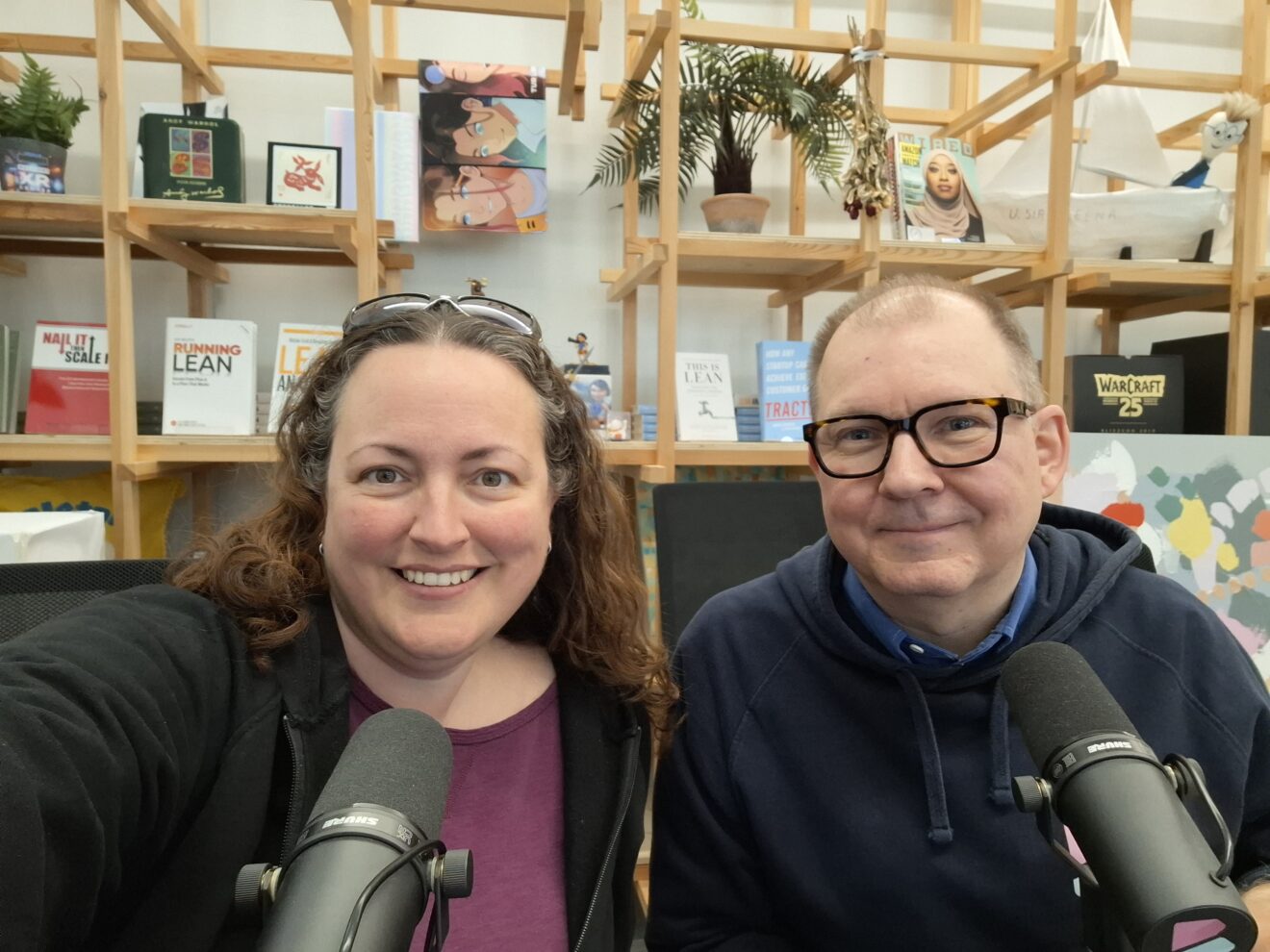
In this episode of Innovators at work podcast, we will be looking closer at taking research and understanding how and when to make it a viable commercial product or service. There are different parts to break down what needs to happen and how you can do this in an academic environment. This topic is being pursued by universities around the world as we speak. They are all trying to get the research out of the papers and applied to make the world a better place.
-
Dymphna Snijders Blok, Minna Kaihovirta
Episode 4: Promoting participation and co-creation
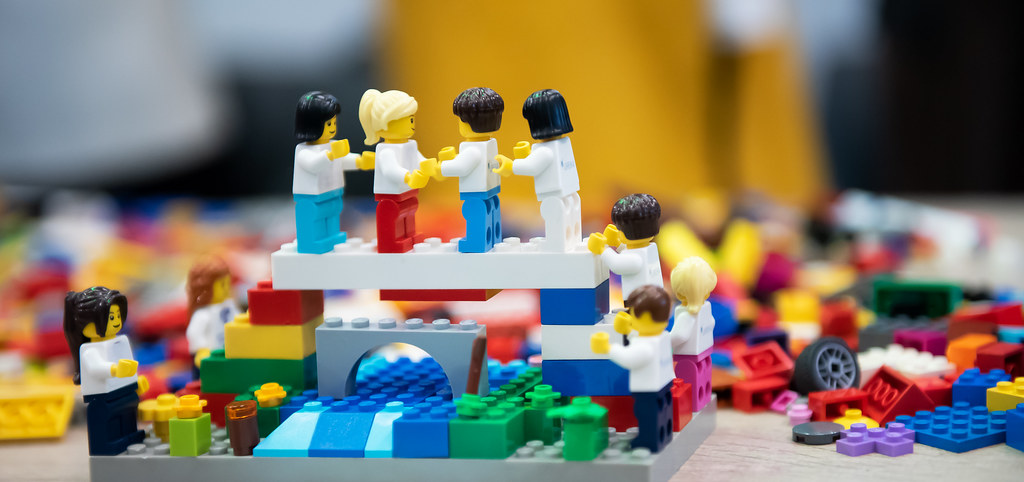
It is easy to co-create with small or medium size organizations. But when the total student body is approximately 123,000 students and a combined number of staff is about 11,000 employees the challenge of co-creating rises to the next level. These numbers are huge - and still there is drive to co-create. How can it be done with success? Why is it important to put effort into it? And what do Legos have to do with it all? In this European connection podcast Minna Kaihovirta discusses with Dymphna Snijders Blok.