Working in a functionally bilingual nursing programme as an international student support has shown me that learning is not only about content, but also about language, confidence, identity, and belonging. While students are highly motivated, traditional tools do not always support them equally, especially in linguistically diverse and practice-heavy fields like nursing.
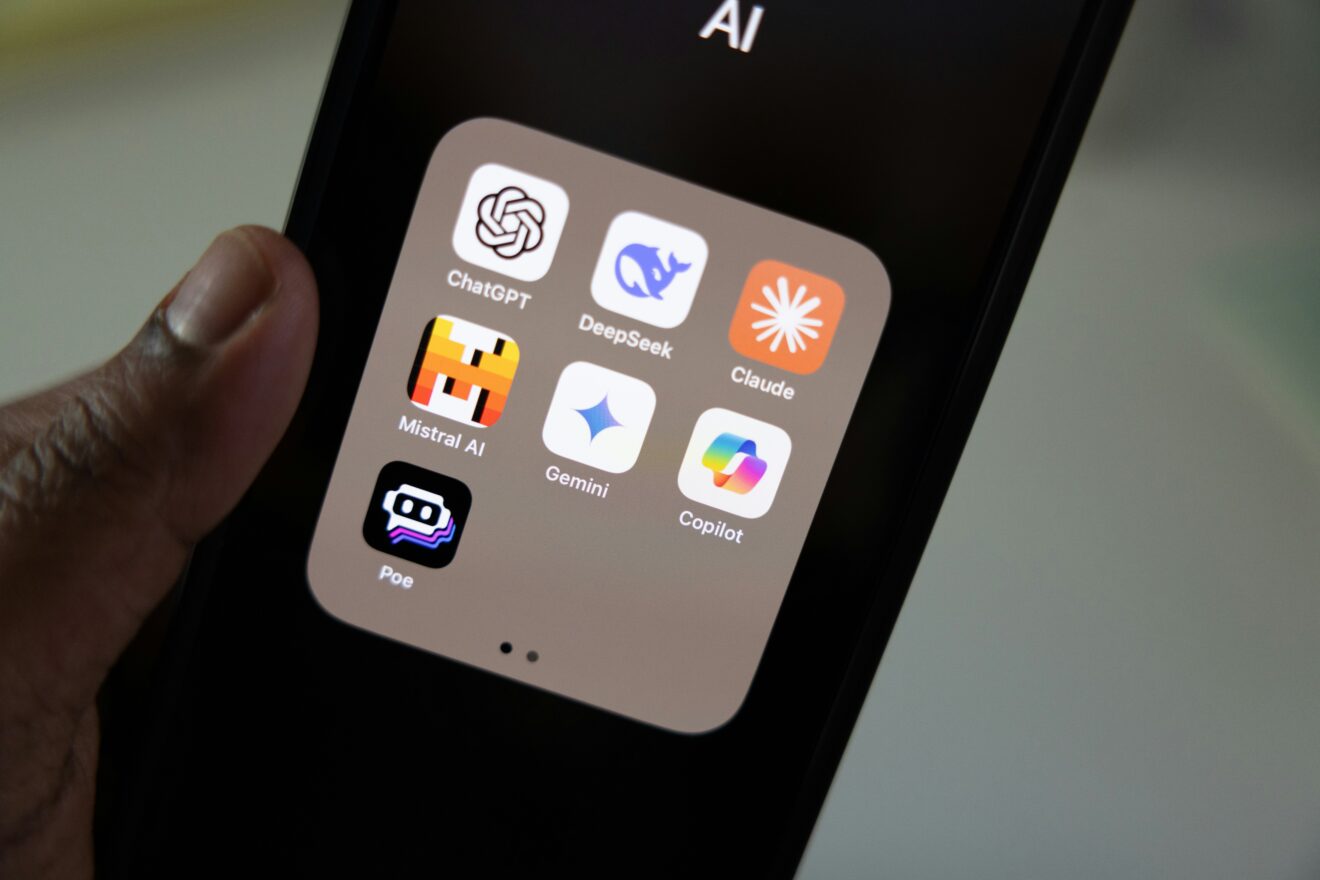
This reality sparked my curiosity about artificial intelligence (AI). In this article, AI refers primarily to generative AI tools used to support language learning and communication, address access gaps experienced by international students and help prepare future nurses to engage critically with AI-generated data in clinical practice.
The everyday context of a functionally bilingual programme
In a functionally bilingual nursing environment, students navigate multiple languages alongside professional terminology and clinical expectations. For many international students, this means learning complex nursing concepts while simultaneously developing academic and professional language skills. Even for native speakers, switching between languages in clinical and educational settings can increase cognitive load, as both languages remain active and must be managed at the same time. Studies have shown that managing two languages places additional demands on cognitive systems. (Bialystok 2017, 233-262; Sweller 1988, 257-285.)
As an education enabler, working closely with students, I see how that shapes participation, confidence and self-directed learning. Some hesitate to ask questions while others understand concepts but struggle to articulate them under pressure. These challenges are not a lack of ability but a mismatch between how learning is structured and how students experience it. Cultural influences shape when and whether the students feel it is socially safe to ask questions, particularly in practice settings. In this context, innovation is not about novelty; it is about necessity.
Starting small: experimenting with AI-supported learning
My first encounters with AI in education were cautious and practical. Before trying any tools myself, I observed how my colleagues were already using them, often informally, to clarify concepts, rephrase instructions, or prepare simulations and clinical placements.
Instead of thinking and closing my mind to the use of AI tools, I began to explore how AI could be framed as a learning companion rather than a shortcut. Many students seem to use AI tools to:
- Clarify complex nursing terminology
- Rephrase assignment instructions in more accessible language
- Structure their thinking before writing or discussing clinical cases
What stood out was that many students were not trying to avoid learning. Instead, AI seemed to support more personalised and adaptive learning (Holmes, Bailik & Fadel 2019, 28-35) allowing it to be understood as a learning companion rather than a shortcut.

© everythingpossible, Adobe Stock
What surprised me along the way
One of the biggest surprises has been how my own role as an international student support has shifted. Working with AI-supported learning has moved me from being primarily an information provider to becoming more of a facilitator, guide, and ethical anchor. Conversations with students increasingly focus on how they learn, not just what they produce.
I was also struck by how students used AI tools reflectively when given trust and guidance. Rather than diminishing critical thinking, it often prompted deeper questions, particularly when students were encouraged to explain, critique, or contextualise AI-generated responses.
At the same time, moments of discomfort were important. Uncertainty about academic integrity, uneven access to technology, and fears of over-reliance forced ongoing reflection. These tensions did not signal failure; they signalled that meaningful learning was taking place.
Ethical and pedagogical responsibilities in nursing education
Nursing education carries a particular ethical responsibility. We are not only preparing students to pass assessments, but to care for others in complex, high-stakes environments. This makes questions around AI especially significant. Rather than banning tools or ignoring their presence, teaching responsible use can be understood as part of professional education (Holmes, Bialik & Fadel 2019, 28-35). This includes:
- Discussing limits and biases of AI
- Making expectations around authorship and integrity explicit
- Ensuring that technology supports equity rather than amplifying existing gaps
In a bilingual and international context, this ethical framing is essential to preparing nurses for the complexities of future practice.
Easy steps for integration
From my experience, integrating AI does not require radical transformation or technical expertise. It requires:
- Starting from real educational challenges
- Experimenting on a small scale
- Reflecting openly on what works and what does not
- Keeping students and care at the centre of innovation
- Applying clear ethical, privacy, and safety safeguards
Technology should serve pedagogy, not the other way around. This does not mean that technological expertise is unnecessary, but rather that the focus should be on how these tools support learning and clinical preparation.
Moving towards ethical AI-supported nursing education
This reflection marks the beginning of a longer journey rather than a conclusion. What started as a practical experiment has gradually evolved into deeper questions about learning, equity, professional identity, and the future of nursing education.
By sharing these reflections, I hope to contribute to a broader conversation at Metropolia and beyond, one that values practitioner insight, ethical awareness, and thoughtful experimentation (Schön 1983, 49-69). AI tools are not solutions in themselves, but when approached critically and humanely, they may help create learning environments where more students can thrive. The challenge is not whether AI belongs in nursing education, but how we shape its use in ways that uphold care, equity, and professional responsibility.
References
Bialystok, E. (2017). The bilingual adaptation: How minds accommodate experience. Psychological Bulletin, 143(3), 233–262.
Holmes, W., Bialik, M. & Fadel, C. 2019. Artificial Intelligence in Education. Promise and Implications for Teaching and Learning. Boston, MA: Center for Curriculum Redesign. Accessed 10 April 2026.
Schön, D. 1983. The Reflective Practitioner: How Professionals Think in Action. New York: Basic Books.
Sweller, J. 1988. Cognitive Load during Problem Solving: Effects on Learning. Cognitive Science 12(2), 257–285.
Author
-

Eunice Siame-Moono
Trainee, Metropolia University of Applied SciencesEunice Siame-Moono works at the intersection of nursing education, AI, and inclusive learning, supporting international students in functionally bilingual programmes.
About the author