Metrospective Pro
Metrospective Pro publishes articles, podcasts and videos by Metropolia UAS staff and Master's students for professional audiences.
-
Fayez Bassalat
From empty rooms to digital twins – building a modular robotics testing environment
As robots grow more capable, the need for realistic and repeatable testing environments is growing. Scale Down, a joint initiative of Metropolia UAS and Aalto University, is addressing this demand by developing a modular robotics testing environment.

-
Shree Vidya Gurudath, Zinaida Grabovskaia, Harri Hahkala, Antero Vesterinen
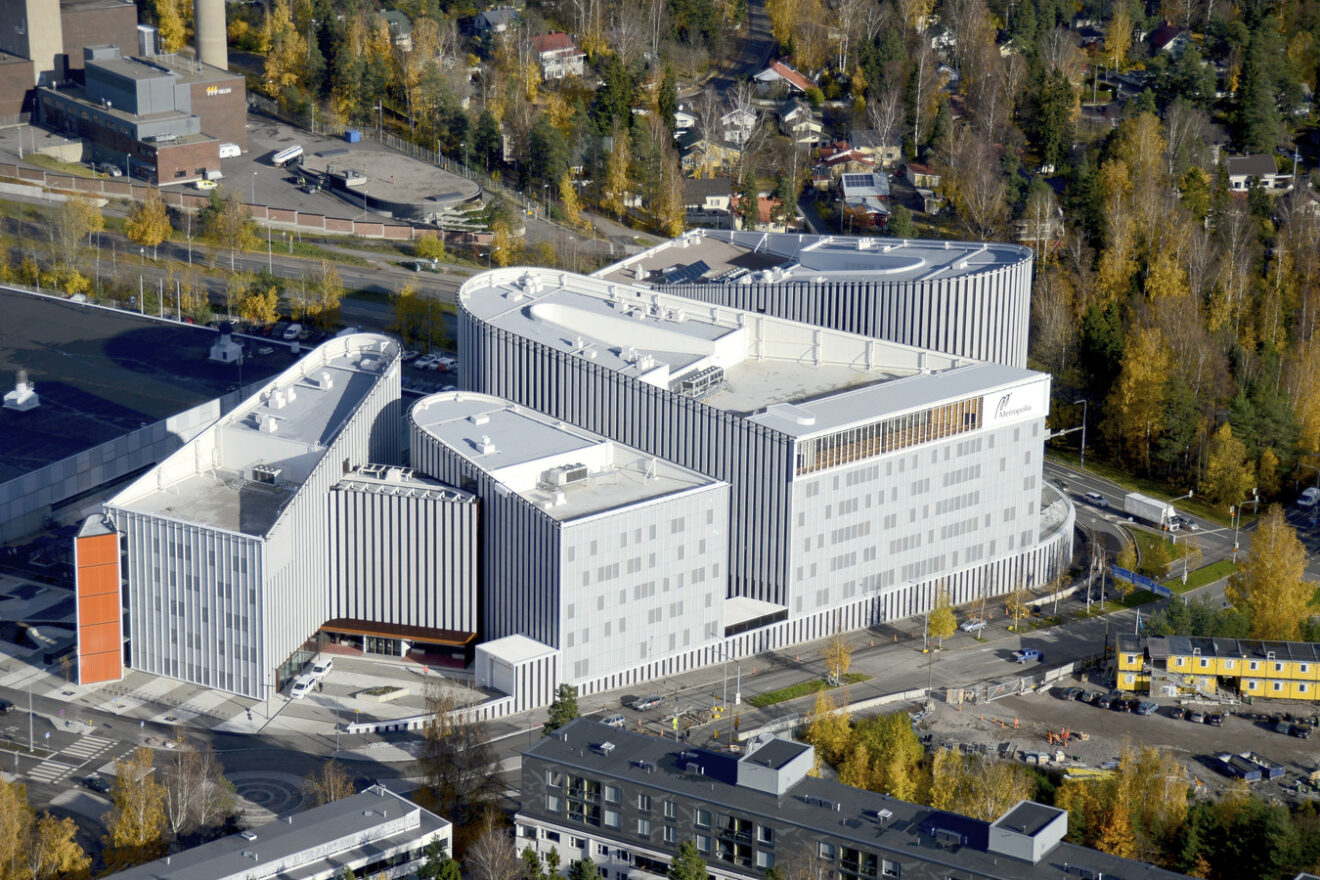
From Smart Campus technologies to the Smart Campus ecosystem: what could Metropolia build next?
What does it mean for a university campus to be a Smart Campus and an ecosystem? Is it about having smart buildings, sensors, digital twins and connected systems? Or could it be something broader, an environment where technology, education, research, sustainability and industry collaboration come together in meaningful ways?
-
Pamela Spokes
Broken in the same places: the hidden patterns in higher education’s biggest service design challenges
When over 100 university staff members from seven different countries were asked to name one problem in their institution that could be fixed with service design, nobody expected them to give the same answers. Higher education is full of people working hard to make things work, and full of students and staff who feel like things aren't quite right. This article is about what pattern reveals and what it suggests about how Higher Education can finally begin to fix it.
-

Eija Raatikainen
Strengthening organisational capacity through peer mentoring in the context of work-based learning in online environments
Mentoring in online-facilitated environments can strengthen organisational capacity by supporting informal learning in the context of everyday work. This article presents an example of peer mentoring in workplace learning, drawing on COMHOM project’s experiences from spring 2026.
-
Janset Shawash
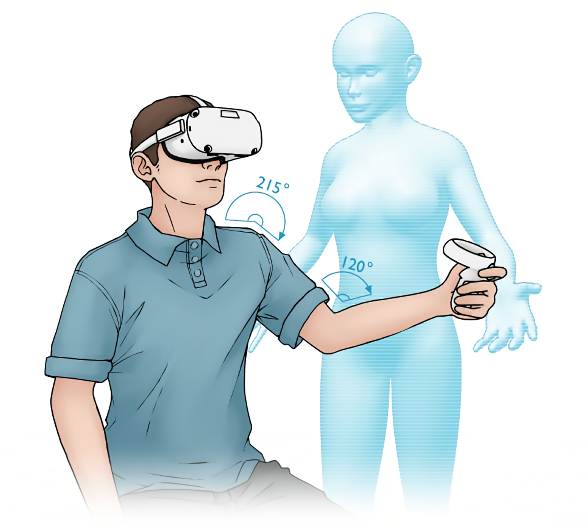
Immersive care: virtual reality technology supporting physical rehabilitation
Immersive technology, such as virtual and augmented reality applications, is moving from novelty to a practical tool in physical rehabilitation, promising more engaging therapy, greater choice for patients, and clearer progress tracking for clinicians. Drawing on Finnish pilots and the GameRAT project at Helsinki XR Center, Metropolia UAS, this article asks what virtual reality can add to care, and what it takes to move from a promising demonstration to everyday practice.
-

Eija Raatikainen
Promoting digitalization among European social work professionals in the context of COMHOM project
Digitalization is rapidly reshaping social work, but how can professionals move from simply using new tools to genuinely transforming their practice? In this article, I examine digital competence as a core skill for social workers. Through the COMHOM project’s Capacity Building and Mentoring program, I wish to illustrate how European homelessness service providers are building shared digital skills, and mindsets to support sustainable change in the social sector and conclude by offering recommendations for others engaged in similar initiatives.
-
Janset Shawash
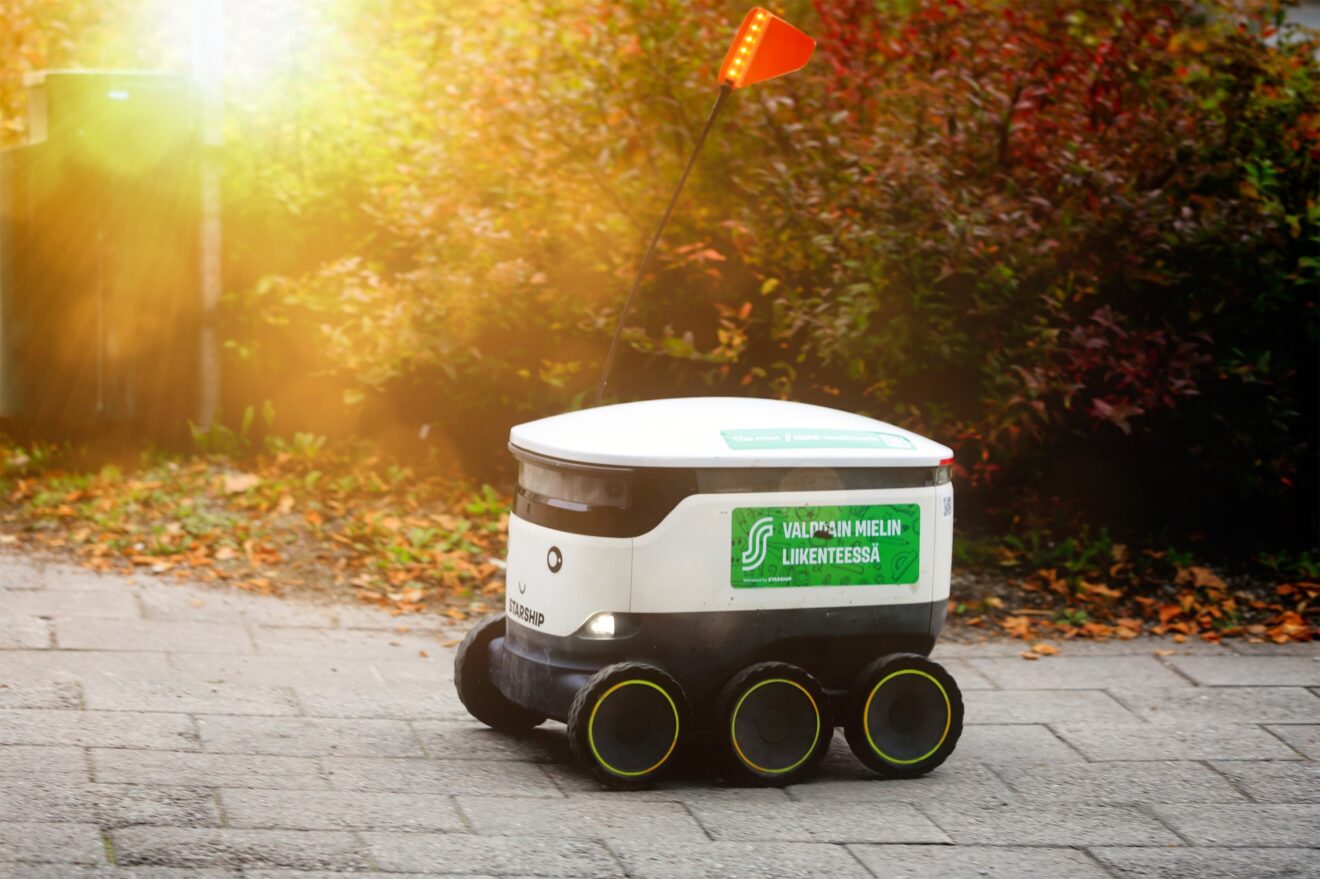
Autonomous mobility in transition: ecosystem, governance and public value
In many forms, autonomous vehicles are already here. The more important question is no longer whether they are coming, but whether they will arrive in a form that is safe, useful, trusted, affordable, and aligned with public value.
-

Ria Gynther
Responding to AI-driven industry change in game education
The pace of change in the game industry is placing increasing pressure on game education to keep up with professional practice. At the Game Educators’ Meeting 2026 in Helsinki, educators and industry representatives discussed how artificial intelligence is reshaping the industry’s production models and competence requirements. Focus was on validation, practical learning and new approaches to recognising skills.
-

Toini Palo, Salla Sipari
Collaborative relationships in RDI activities: A framework for co-creation as a form of collective learning in complexity
Building a collaborative relationship in RDI practice is an enigma that researchers have approached through multiple pathways within the “co-” landscape. In this article, we focus our attention on co-curiosity and co-agency as concepts that illuminate how reciprocal collaboration is enacted in practice and what it concretely and philosophically entails. We consider whether integrating these two perspectives could give rise to a new framework for co-creation, one capable of addressing complex phenomena and fostering lifelong collective learning and sustainable wellbeing.
-
Pamela Spokes
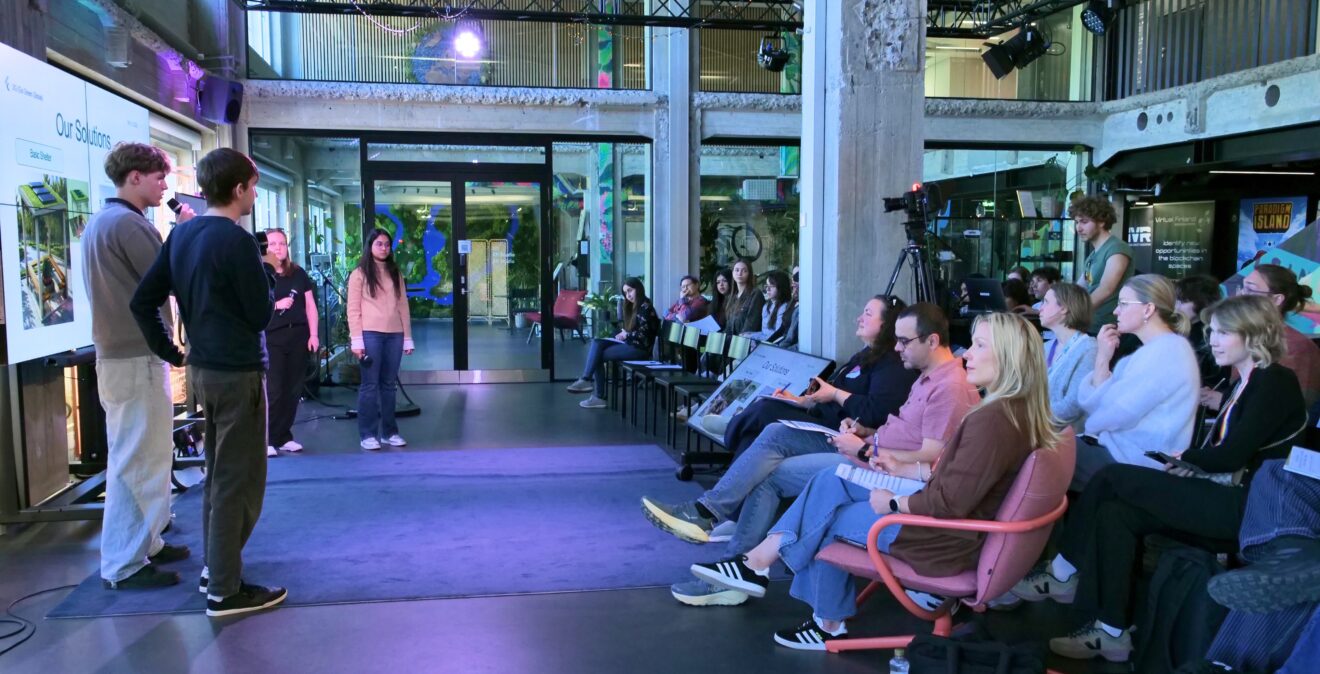
U!REKA Change Agents engage students in challenge-based learning to develop skills for innovation
The future requires different skills than what previous generations have focused on. Challenge-based learning (CBL) has come out of these needs to equip students better for the future. U!REKA Change Agents programme is the European model for CBL. The 2025 edition of U!REKA Change Agents course was held in Helsinki.
-

Krista Lounamaa, Liisa Nuutinen, Heini Maisala-McDonnell
Sustainable nursing careers: Building an age-friendly working life in healthcare
Based on a recent master’s study, we discuss in this article key barriers to sustainable nursing careers and propose organisational age‑management practices that can enable older nurses to continue working until retirement in a sustainable way.
-
Janset Shawash, Leevi Rantala, Alicia Sudlerd
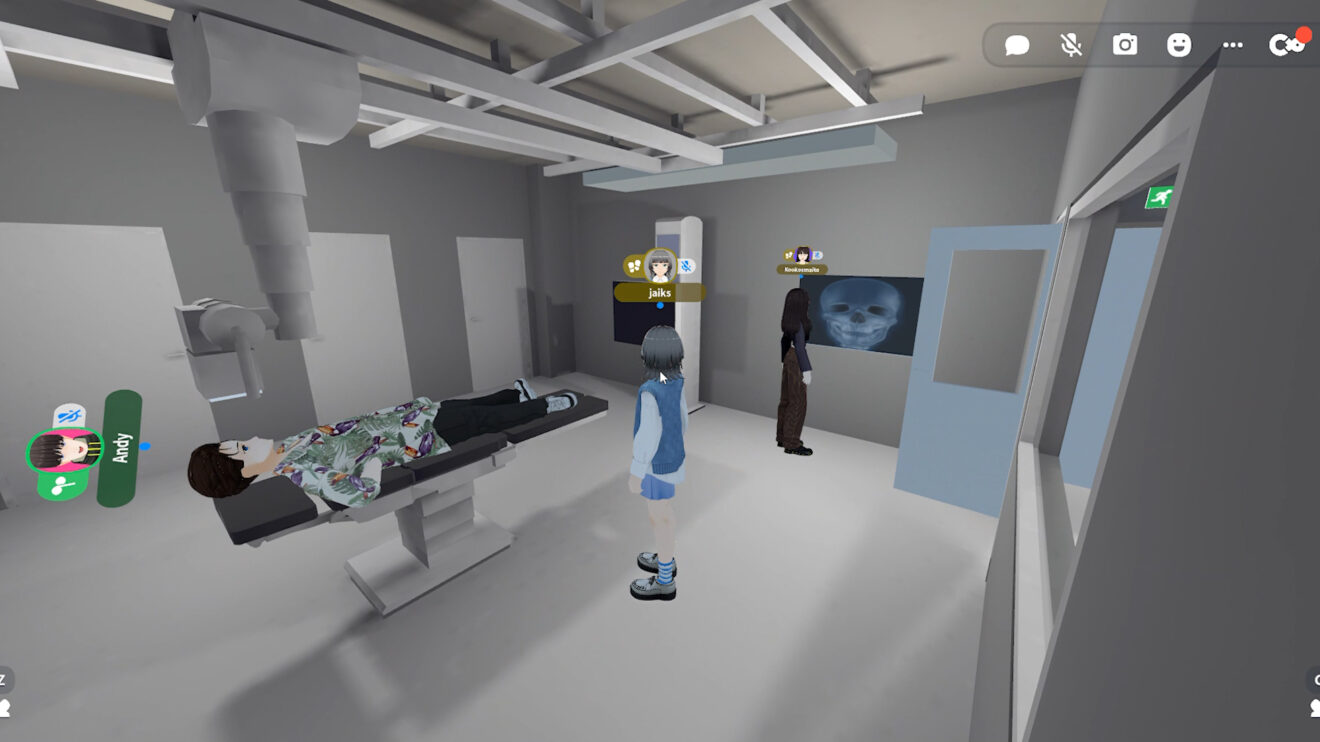
Walking Through the Future: Espoonlahti’s Health Centre in the Metaverse
Virtual worlds are not simply for play or a means of escapism. Increasingly this technology is becoming an instrument of real-world design, enabling greater democratic participation in the creation or modification of physical structures and environments. In this article, we trace the emergence of cityverse thinking from global experiments to Finnish initiatives and share our experience building a proof of concept.